Review : Seat Arosa ( 1997 - 2004 )
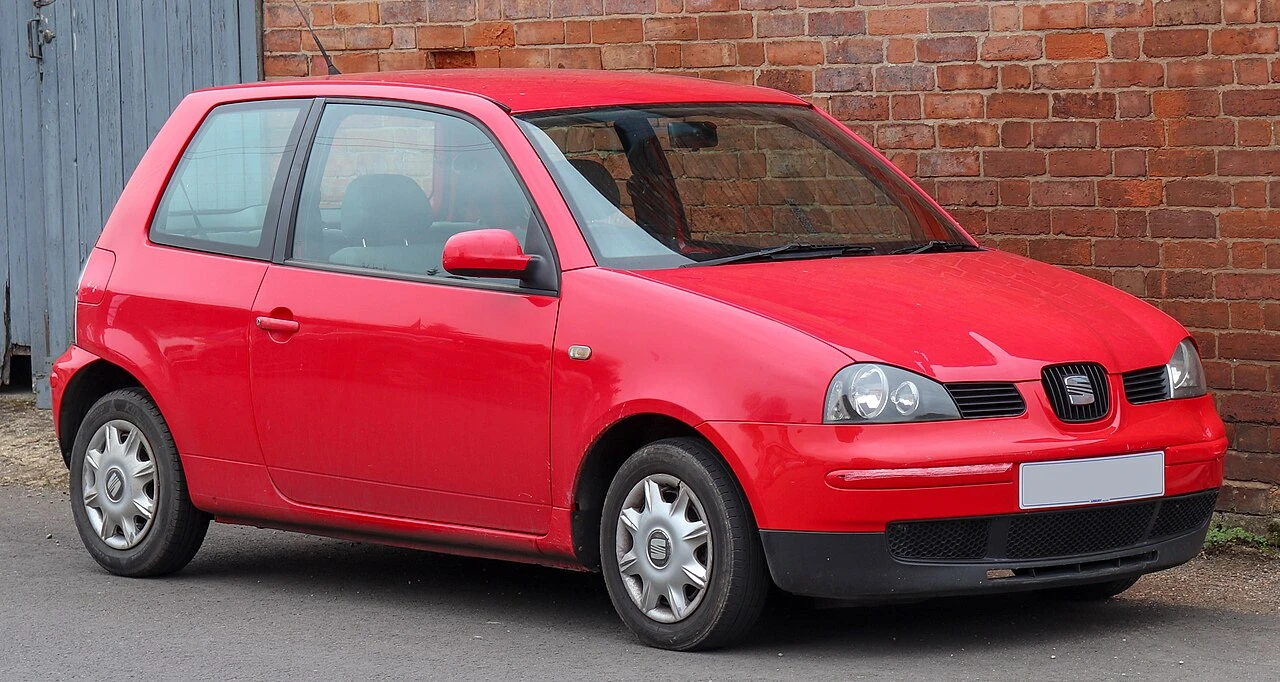
Seat Arosa, because a 4-door Ibiza is too much car for you and this is the only car you can drive because anything over 3.5 meters long is too much.
No, the story doesn't begin in 1991 when VW bought Seat, because that story begins with the first Toledo, but the Seat Arosa was the spiritual successor to the Seat Marbella, which was a Fiat Panda with a different badge and which was related to the first Ibiza, one of the first cars built under VW's tutelage but not entirely German.
And the Arosa?
The Seat Arosa is not 100% German either, but it has nothing Seat and that 2% missing is the 1.0 petrol engine which is from Skoda, because VW bought Skoda in 1991 and they needed to make a difference between Lupo and Arosa. Because Arosa is a Lupo with a different badge and less features. And Lupo comes from VW's need to create a smaller Polo, because the Polo from back then had become too fat and too big, so they took the Polo platform and shortened it. Basically, the Polo from back then had become too big, considering that a Polo today is about the size of a Golf IV and that's probably why we have the VW Up! / Skoda CitiGO / Seat Mii today, which are about as big/small as Lupo/Arosa. And no, there were plans for the Skoda version but the Skoda Lupo was cancelled and it never happened.
So what expectations should we have from the car that was designed by the same guy who designed the Bugatti Veyron. Essentially we have a shortened VW Polo / Skoda Fabia / Seat Ibiza platform, which only came in 2 doors and with acres of windows so that you could drive it and it seemed incredibly easy in the city. And the differences between the Arosa and the Lupo are the classic ones, generally in terms of equipment and a few engines, the most important difference being the 1.2 TDI engine on the Lupo 3L, which did not make it to the Arosa. Yes, it's exactly what it sounds like, no the Lupo 3L did not have a 3-liter engine, but it had a consumption of 3 liters of diesel per hundred km. And the Arosa did not receive that treatment, so you will have to somehow live with a consumption of 4 liters per hundred km, for the 1.4 TDI engine, and probably 5 liters per hundred km for the 1.0 gasoline engine and insufficient horsepower.
Besides that, there are other engines missing from the Lupo, but which you didn't really need. The 1.4 FSI engine is missing, which is the old 1.4 MPI but more demanding, and the GTi version with the 1.6 petrol engine and 125 horsepower is also missing. But if you're looking for a simple city car, you don't need these two engines anyway.
The problem was that in 2004 he was retired but he didn't have children, because VW decided they wouldn't continue the Lupo line and came up with the Fox, so the Arosa didn't have a sequel until 2012 when the Seat Mii appeared.
And then comes the soft one - Seat;s own Ibiza. Because in 2025, a Seat Arosa costs the same or more than an Ibiza, and the Ibiza has 2 or 4 doors, comes with about the same engines and more (including the delicious 1.9 TDI) and has a bigger trunk. The only real argument is that you have acres of windows and it's much easier to drive and park.
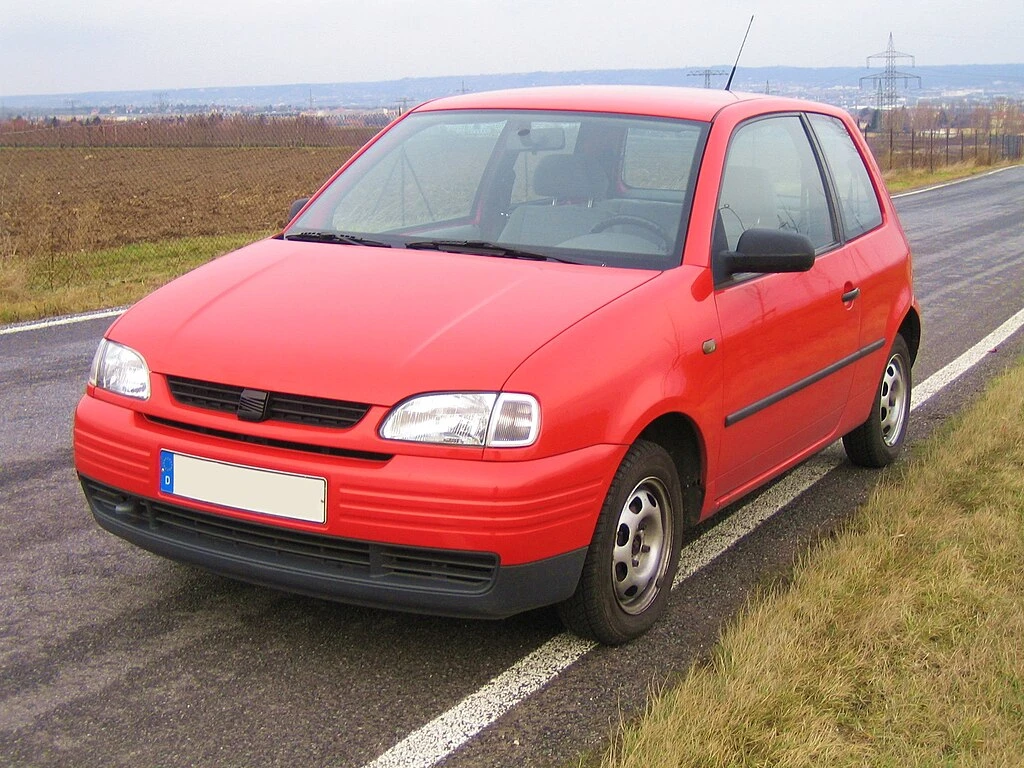
Seat Arosa Engines
Petrol
- 1.0 MPi AHT of 50 horsepower - This is not the VW engine. This is not the VW engine. This is not the VW engine. In reality, it is the 1.0 HTP engine from Skoda, a relative of the 1.2 HTP used on the Fabia. Because VW had just bought Skoda and they said why not? But I don't recommend you buy it, except for short city trips at most, because it's incredibly slow. In fact, here's a short list of things faster than the Seat Arosa 1.0 gasoline - Sleepy Joe, VW Caddy 2.0 SDI, a stone, Robert Loggia spelling out his own name, and the elevator when you're in a hurry to get home because you're pooping yourself. In that order.
- 1.4 EA111 of 60 and 101 horsepower - The 60 horsepower has 8 valves per cylinder and is the only engine with a 4-speed automatic transmission as an option, and the 101 horsepower version has 16 valves. And it is the best engine for the Seat Arosa, because it is decently fast in the 60 bhp version and proper quick in the 101 bhp version, and it is also decently reliable, being used intensively on the Polo / Ibiza / Fabia / Golf / Octavia / I'm sure I forgot something.
Diesel
- 1.4 TDI AMF of 75 horsepower - I don't necessarily understand why you would want a diesel Arosa, but at least you can use this one around town because it's Euro 3 and there's no particulate filter or EGR sensitive to city driving. The only real problem is that maintenance is more expensive than for a petrol engine, and fuel economy isn't that great because the Arosa is economical regardless of the engine choice.
- 1.7 SDI AKU of 60 horsepower - The second slowest engine after the 1.0 MPi, and marginally faster than the 1.4 60 horsepower petrol engine in the automatic version, you at least have this engine for life, or as long as the city council allows you to drive this real wood-burning power plant on wheels. Because the technology is from about the same period.
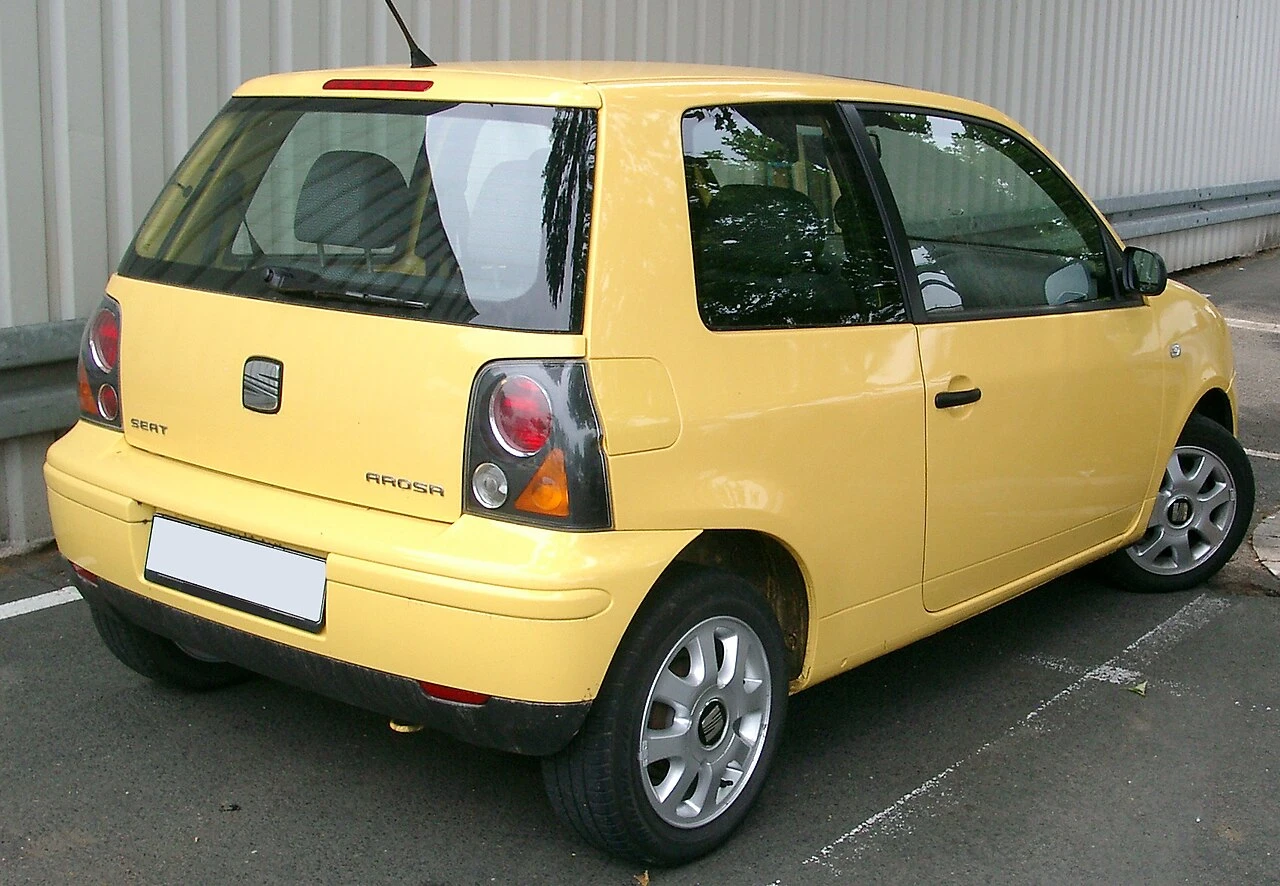
Seat Arosa Reliability Issues
- Electrical gremlins which translate to everything that involves cables, wires and plugs. The cables from the power windows in particular are affected.
- Door hinges give way over time and the doors will inevitably sag, but they will never bend their knees.
- It was a budget car back then and it's still a budget car today, so maintenance has suffered and you have every chance of buying what's left of an Arosa.
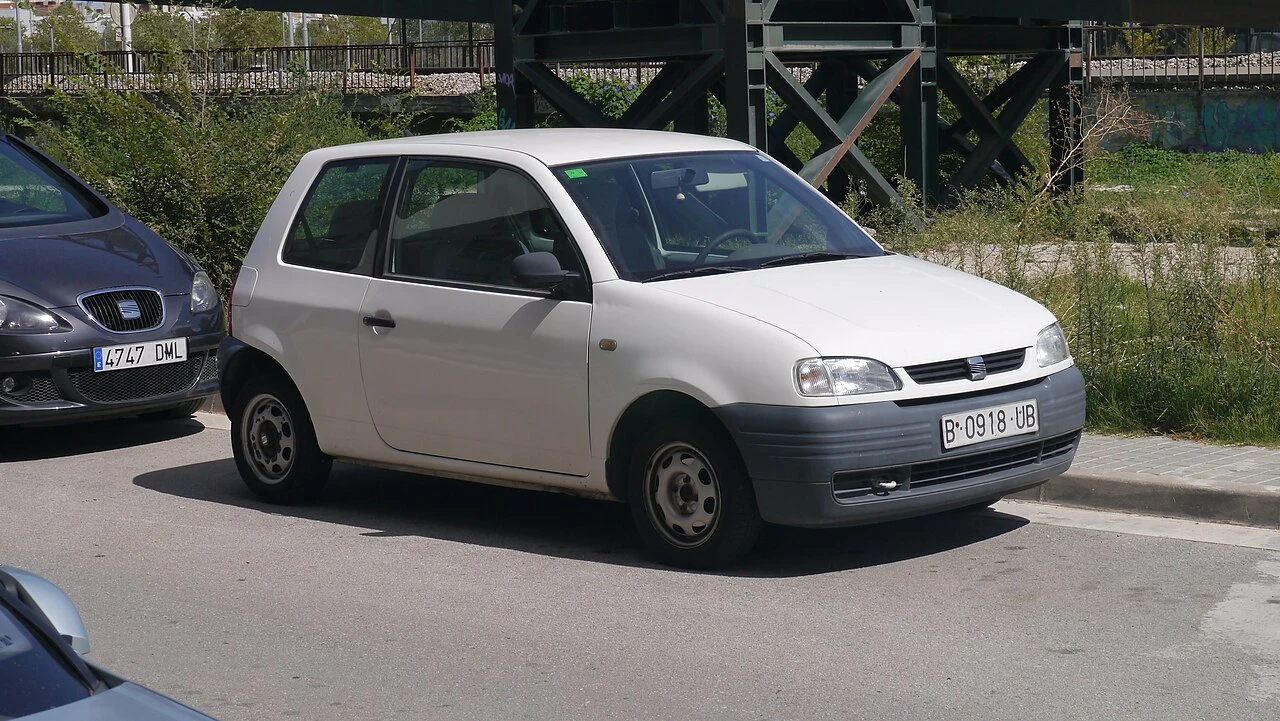
Seat Arosa Verdict
Maybe a Lupo vs Polo comparison would work, but the Arosa is a much rarer car and costs the same on the used market as the Ibiza and I don't necessarily understand why you would pay more for less. Sure, with a Porsche 911 GT3 RS or a Ferrari 360 Scuderia I understand why you would pay more for less car, but the Arosa? So my verdict is buy an Ibiza.
Which engines do I recommend? For petrol power and overall I recommend the 1.4 and 75 horsepower petrol engine, and for diesel you have the 1.4 TDI with 75 horsepower but then again, do you really need a diesel Arosa?
Similar Articles
Review : Toyota Land Cruiser J150 ( 2009 - 2023 )
Review : Seat Arosa ( 1997 - 2004 )
Review : Toyota Verso AR20 ( 2009 – 2013 )
Write an answer
- Review : Toyota Land Cruiser J150 ( 2009 - 2023 ) 15 December 2025
- Review : Seat Arosa ( 1997 - 2004 ) 01 October 2025
- Review : Toyota Verso AR20 ( 2009 – 2013 ) 10 November 2025
- SCSC la SBVBSVSSBSB
- Malik la “For food lovers, UKMenuAll is a must-visit websit...
- Gargas la As a Citigo owner, I can say the following: – for...
- December 2025
- November 2025
- October 2025
- August 2025
- July 2025
- April 2025
- March 2025
- February 2025
- January 2025
- December 2024
- November 2024
- October 2024
- August 2024
- July 2024
- June 2024
- May 2024
- April 2024
- March 2024
- February 2024
- January 2024
- December 2023
- November 2023
- October 2023
- September 2023
- August 2023
- July 2023
- June 2023
- May 2023
- April 2023
- March 2023
- February 2023
- January 2023
- December 2022
- November 2022
- October 2022
- September 2022
- August 2022
- July 2022
- June 2022
- May 2022
- March 2022
- April 2021
- January 2021
- December 2020
- November 2020
- October 2020
- September 2020
- August 2020
- July 2020
- March 2020